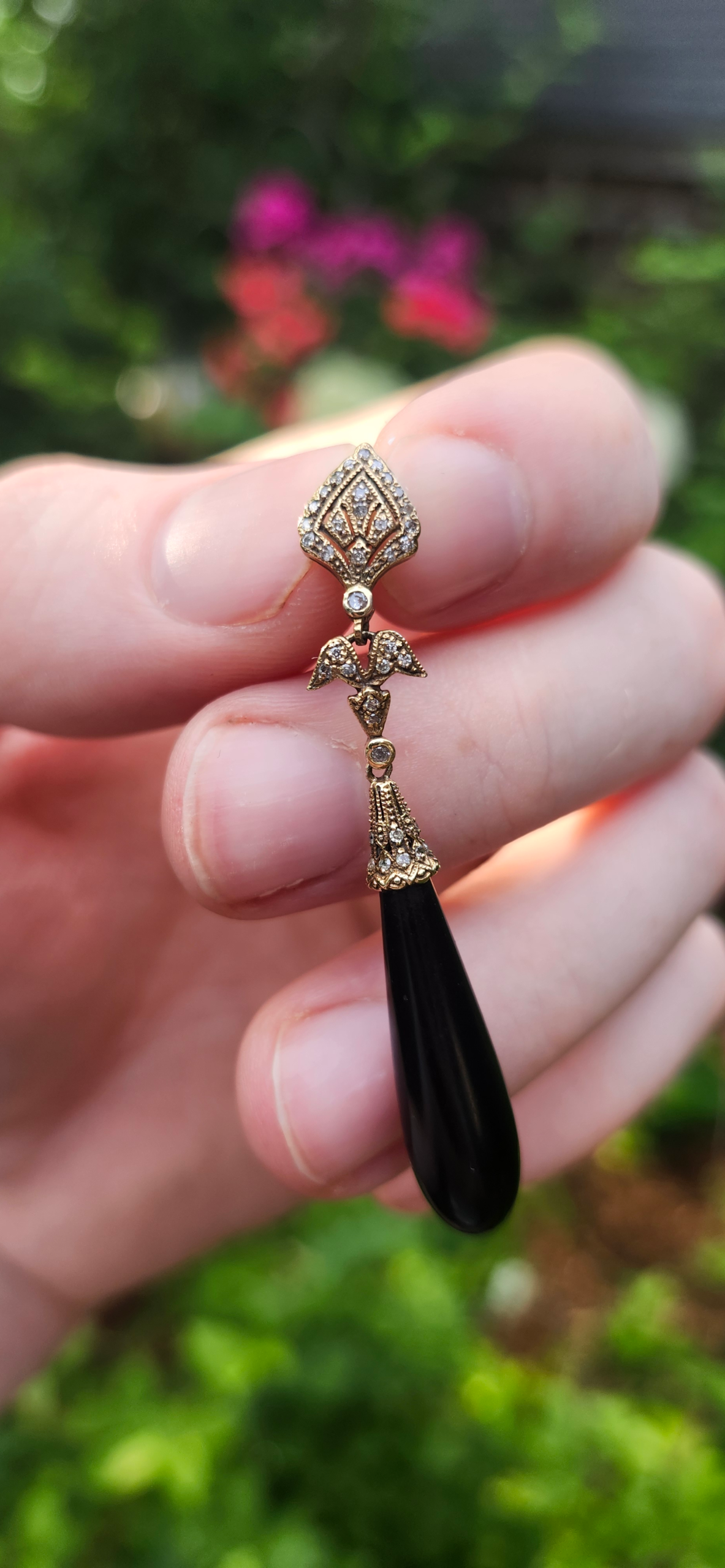
Let’s say you found an appraisal paper tucked in your jewellery box with grandma’s ring. It says $17,000. Your heart does a little jump. Then you take the ring to sell it and the offers come in around $3,000.
Suddenly you’re wondering who’s trying to rip you off and/or what happened to the current economy.
Here’s the uncomfortable truth: probably nothing happened to the economy, and you appraisal number The appraisal was never a price tag. It just looks like one to the uninitiated seller.
We buy estate jewellery across Ontario, and this single misunderstanding causes more heartbreak, more arguments, and more stalled sales than everything else combined. So let’s clear it up properly.
What a Jewellery Appraisal Actually Is
A jewellery appraisal is a document created by a trained appraiser that records what your piece is made of: the metal, the gemstones, the craftsmanship, and a dollar figure. So far so good.
The catch is in what that dollar figure represents. Over 90% of the appraisals you’ll come across with inherited jewellery are Retail Replacement Value appraisals, created for insurance purposes. That number answers one very specific question: if this piece were lost or stolen tomorrow, what would it cost to walk into a retail jewellery store and replace it brand new?
The Jewellers Association of America has a great breakdown on the different types of appraisals here.
That is not the same question as “what will someone pay me for this used piece today?” Not even close. Retail replacement includes retail markup, retail overhead, and retail everything. On the second hand market, none of that follows the piece. Depending on the item, the retail replacement figure can be 4 to 10 times higher than what the piece actually fetches when sold.
A Real Example From Our Files
We once evaluated a pear shaped diamond solitaire ring that came with a 2004 appraisal valuing it at $17,000 CAD. A lovely ring, a legitimate appraisal, an honest appraiser. Today, that same ring would realistically sell for somewhere around $2,500 to $3,500 on the secondary market.

That’s not a scam. That’s two decades of change. Natural diamond prices have fallen significantly since 2004, and even though gold has climbed, the diamond decline more than offset it for this piece. The appraisal froze a moment in time and a retail context that no longer exists.
The seller who doesn’t understand this walks into every negotiation feeling cheated. The seller who does understand it walks in knowing exactly what game is being played, and plays it better.
Appraisals Can Mislead in Both Directions
Here’s where it gets interesting. Inflated appraisals are the common problem, but appraisals can also be too low. An old appraisal from decades ago may predate huge runs in gold prices. A piece with provenance, meaning a famous maker, a rare design, or a good documented story, can be worth far more than the paper suggests. And the gemstone market itself has shifted: fine coloured stones have climbed while diamonds have slid, so an old appraisal may have the ratios exactly backwards.
There’s also a murkier reason to keep your guard up. Appraisals are sometimes generous because a generous number makes the client happy, helps a seller ask more, or flatters the piece. We’ve seen gemstone grades quietly rounded upward on paper. This is why serious buyers always look at the actual piece and never just the document, and why you should too.
So Is an Appraisal Useless?
Not at all. It’s genuinely useful, just not as a price tag. A good appraisal tells you facts that matter enormously: the metal and its purity, the gemstone types and approximate weights, and how the piece was made. When you’re staring at a box of inherited jewellery with no idea what’s what, that information is gold, sometimes literally.
If your pieces don’t have appraisals and you’re new to this, getting one on your medium and higher value items is money well spent. A typical appraisal runs $30 to $75. Just use it as a starting point for understanding the piece, not as the number you expect a buyer to hand you.
The habit that will serve you best: read the appraisal for the facts, then research the second hand market for the price. Those are two different documents’ worth of information, and only one of them was ever written down.
What Sellers Actually Need to Know
If you’re preparing to sell estate or inherited jewellery, here’s the mental shift that changes everything. There isn’t one value for your piece. There’s a whole ladder of values, from scrap value at the bottom, through liquidation value, up through fair market value, all the way to retail replacement at the top. Which rung applies depends on what the piece is, its condition, and how and where you sell it.
Our full Guide to Selling Estate Jewellery breaks down every appraisal type on that ladder, which ones matter when you’re negotiating, and how to use the right number to avoid being lowballed. The chart alone has saved our readers real money.
And if you’d rather have someone walk you through it in person, that’s literally what we do. We test and evaluate estate jewellery on the spot, explain honestly what each piece is worth on today’s market and why, and make you an offer with no pressure to take it. You can read about how our process works on our [estate jewellery page](https://jajagems.com/selling-your-estate-jewellery-in-ontario/), or learn more about our appraisal services if you just want the knowledge without selling.
The appraisal in grandma’s box isn’t lying to you. It’s just answering a question you didn’t ask. Once you know the question it answered, you’ll never be blindsided by the gap again, and you’ll negotiate like someone who knows exactly what they’re holding.
Have an appraisal you’re trying to make sense of? Send us a picture and a drop us a line! We’ll give you the honest read.
Leave a Reply