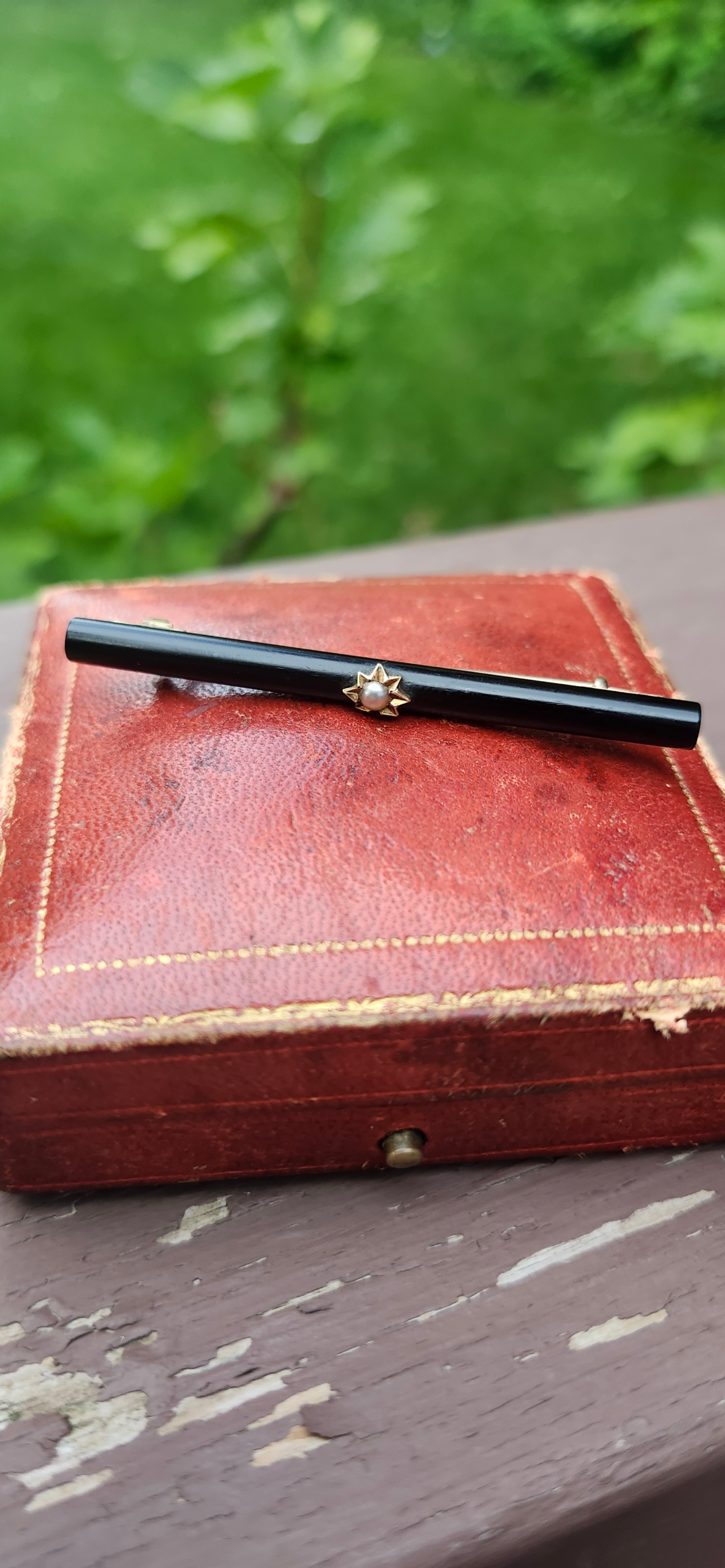
There’s a jewellery box sitting somewhere in your home right now. Maybe it’s been on the dresser for a month. Maybe it’s been in the closet for three years. You know roughly what’s in it: her rings, his watch, that brooch from photographs, a tangle of chains, some things you’ve never seen before in your life.
And every time you think about dealing with it, something in your chest says not today.
We buy estate jewellery across Ontario, which means we sit at a lot of kitchen tables with a lot of open jewellery boxes, and here’s what we’ve learned: the hard part is almost never the jewellery. People figure out gold purity in an afternoon. The hard part is the permission. So before any talk of stamps or scales, let’s deal with the feeling that’s actually keeping the box closed.
The Guilt Is Backwards
Here’s the thought that stops most people: they kept this their whole life, and selling it feels like throwing that away.
Now consider what was actually happening. Whoever held onto those pieces before you did it for a reason, and for most of the previous generation, jewellery wasn’t just adornment. It was savings you could wear. It was financial security in a form that survived wars, moves, banks failing, and currencies changing. When they held onto that gold for fifty years and then left it to you, passing down security was, in many cases, exactly the point.
Which means the guilt has it backwards. Selling a piece to pay down your mortgage, fund your kid’s education, or steady your own life isn’t a betrayal of why they kept it. Very often, it’s the fulfillment of why they kept it. The betrayal they’d actually mind is different: letting it be taken advantage of. Being uninformed comes with a hidden cost, and it’s a cost your loved ones would not want you to pay, especially after protecting those pieces for so many years.
So release yourself from the wrong worry. The question was never “am I allowed to sell this.” The question is “which pieces should stay, which should go, and how do I make sure nothing valuable slips away unnoticed.” That question has an actual process.
Not Today. Just Not at a Desperate Moment.
One rule before the sorting starts, and it’s the closest thing this business has to a golden one: never sell when desperate. Buyers can sense urgency the way sharks smell blood, and every venue pays less to a seller in a hurry.
If money pressure is part of why the box is finally open, that’s okay, and it’s common. But even then, give yourself a week instead of an afternoon. This jewellery has lasted decades. It can wait seven more days for you to know what you’re holding, and those seven days are routinely worth hundreds or thousands of dollars.
The other side of that coin: don’t let the box sit closed for another three years either. Unsorted jewellery isn’t preserved, it’s just postponed, and grief does not get lighter by being stored next to it.
Start Sorting Your Estate Jewellery With The Kitchen Table Sort
Here’s the method, and all it requires is a table, decent light, and an honest hour. Take every piece out, one at a time, and ask each one four questions.

One: does this piece hold a story, or just held a spot?
Some pieces are the person. Grandma’s wedding ring from the wedding photos. The watch he wore every single day. Those aren’t financial assets and shouldn’t be evaluated as if they were; they go in the keep pile without apology, whether or not you’ll ever wear them. But be honest in the other direction too. A lot of what fills a jewellery box is just accumulation, pieces even the original owner hadn’t worn since long ago. Sentiment belongs to specific pieces, but remember it’s not everything in the whole box. You are allowed to keep three things and mean it more than someone who guiltily keeps forty.
Two: does someone in the family actually want this?
Ask, specifically and soon, before anything is sold and before assumptions start to get into arguments. The old fashioned cameo that does nothing for you might be the piece your niece has quietly loved since childhood. Every piece tells a story, and sometimes the right home for that story is one seat over at Christmas dinner. Offering pieces around first is also, frankly, the cheapest insurance against family friction that exists.
Three: does this piece belong to a set?
Please also check this one before anything gets divided or sold. A matching necklace, earrings, and bracelet from the same era, what the trade calls a parure. These matching sets can be worth several times more together than the pieces would bring separately. Splitting a set between three cousins or selling it off one item at a time is the single most common irreversible mistake in estate jewellery. Make sure to keep sets together until someone knowledgeable has seen them, even if the family plans to share the proceeds afterward.
Four: do I actually know what this is?
This is the humble question, but it’s the one that pays. Rings marked 18 karat sometimes turn out to be copper. Seemingly worthless unmarked pieces turn out to be platinum. The plain brooch is a collectible Victorian mourning brooch, the “costume” ring is holding a real sapphire, the watch that doesn’t run is from a maker collectors chase. Estate jewellery is full of chameleons, and nobody can spot them all by feel. Anything old, anything signed, anything with a substantial stone, and every single watch goes in a “find out first” pile, and that pile sees an expert before it sees a scale.


And if you need an expert’s opinion in a pinch – feel free to reach out to us here anytime.
By the end of the hour you’ll have four piles: keep, family, sell, and find out first.
What “Honouring the Legacy” Actually Looks Like
Selling estate jewellery was never just about getting cash quickly. Done right, it’s about honouring the legacy behind each piece while making sure you walk away with what it’s truly worth. In practice, honouring the legacy looks like this:

It looks like the wedding ring staying in the family, on purpose, with someone who wanted it.
It also appears as the unworn accumulation converting into something your parent would have genuinely cheered for, a paid off debt, a renovated kitchen, a first semester of tuition.
And finally, It’s the antique cameo that seemed old fashioned to you finding a collector who treasures Victorian pieces the way your grandmother treasured that one. And it looks like nothing, not one piece, being handed over for a fraction of its worth because nobody checked.
That last part is where a trustworthy buyer matters. Whoever you eventually sell to, hold them to this standard: they test everything in front of you, they explain how each offer was calculated instead of announcing mystery numbers, and they never rush you. When we do estate jewellery evaluations, the sorting is literally built into our process; we test each piece, tell you honestly what you have, and help you separate the heirlooms worth keeping from the pieces worth selling, including pointing out things you might want to hold back. Yes, we’ve talked clients into keeping pieces. It’s a long game, and it’s also just the right way to treat someone’s inheritance.
Start With the Hour, Not the Decision
You don’t have to decide anything today. That’s the trap that keeps boxes closed for years, the feeling that opening it means committing to selling it all. It doesn’t. The only commitment is one honest hour at the kitchen table with four questions, and every path stays open afterward.
The box on the dresser isn’t a burden your loved one left you. It’s the last practical gift they gave you, still waiting to be unwrapped properly. Take the hour. They’d want you to.
Leave a Reply